


In FY 2026, geopolitical tensions were defined by a fragmented, multi-polar world order, characterised by intense geo-economic confrontation and critical energy security, that led to the creation of a high risk of global economic crises. Trade policies, AI-driven productivity, market volatility, fiscal tightening, and demographic shifts is shaping the future outlook, even as the global economy stayed resilient amid shifting trade alignments and complex cross-currents.
A fragile global economic environment
Year 2025-26 was a year of steep ups and downs for the global economy and most tumultuous for global trade. Global environment remained fragile and risks elevated amid intensifying geopolitical tensions, trade fragmentation, and financial vulnerabilities. Geopolitical conflict further intensified during the end of the year and long-standing alignments came under strain and trade relationships were reassessed. US tariffs stood at their highest level since World War II and the increase reshaped trade along geopolitical lines, deepening a realignment already underway. However, in February 2026, the Supreme Court in US struck down the legal basis for many of the tariffs introduced in 2025, prompting new measures.
Global growth slowed in CY 2025 as supply shocks, trade tensions, and policy uncertainties reshape costs, risks and strategic choices. World economic growth is projected at 3.1% in 2026 and 3.2% in 2027. Technology investment, fiscal and monetary support and accommodative financial conditions offset trade policy shifts. Fiscal vulnerabilities and potential market corrections could further threaten stability.
India's economy exhibiting resilience, characterised by broad-based growth
India's economic environment in FY 2026 was characterised by robust, broad-based growth, with real GDP projected at 7.4% during the year, exhibiting resilience and stability. Being intricately connected to global value chains, the nation faced external shocks and acute effects from these global changes, including tariff escalations and volatile capital flows. Driven by strong domestic demand, capital expenditure, and private consumption, India continues to be among the fastest growing major economies. Even as policy overhauls across the western economies – particularly in trade, investment and industrial policy – triggered spillover effects across all major global markets, India, which is the world's sixth-largest economy and a major global trading partner, remained immune to these shifts.
Despite the global headwinds, demand resilience, a reset in trade and investment outlook, and policy reforms stood out. As inflation levels stayed low at 1.8% on average through the fiscal year, India focussed squarely on its biggest strength of domestic demand to keep growth buoyant. Given the rising trade frictions and a delicate domestic consumption environment, the nation deployed fiscal, monetary, and trade reforms to cushion the economy and lay the foundation for future growth.
(Source: Deloitte)
India's strong push for infrastructure development
Demonstrating its commitment towards modernisation and growth, Union Budget 2026-27 proposed a record capital expenditure of ₹ 12.2 trillion for fiscal year 2026-27, reflecting a 9% increase over ₹ 11.2 trillion allocated in the previous year. This was aimed at transforming the economy, turbocharging infrastructure overhaul, and accelerate economic growth amid a volatile global environment and create more jobs. Recognising its multiplier effect on growth and employment, the government consistently prioritises the infrastructure sector through regulatory reforms, fiscal incentives and large-scale spending. This continued focus is aimed to boost long-term growth, with significant allocations for infrastructure development.
Infrastructure is the key to endure economic growth and to become a developed nation by 2047, and is the biggest driver for a nation that aspires to become a USD 5 trillion economy. The government is committed on its allocation of 3.3% of GDP towards infrastructure, with particular focus on transport and logistics segments, and has made significant strides in its infrastructure activity over the years.

Infrastructure is the key to endure economic growth and to become a developed nation by 2047, and is the biggest driver for a nation that aspires to become a USD 5 trillion economy.
India set to become a global energy leader
The year 2025-26 was marked by unprecedented moves in meeting record power demand of 242.49 GW, slashing energy shortages at the national level to mere 0.03%, adding 55.57 GW capacity, and a massive expansion of renewable energy by crossing 50% non-fossil fuel capacity. Drawing inspiration from the Prime Minister's vision, India continues to advance rapidly towards achieving 500 GW of non-fossil fuel capacity by 2030, having already crossed the milestone of over 50% non-fossil capacity. Initiatives such as One Sun, One World, One Grid further underscore India's commitment to global energy cooperation. India's energy transition journey is becoming integrated and system-driven, with renewables, storage, transmission, and digital technologies evolving as one cohesive ecosystem.
With groundbreaking initiatives such as universal electrification, enhanced rural power availability, and the adoption of cutting-edge technologies, India is firmly on the path to becoming a global energy leader. This was a landmark period for India's power sector, with historic advancements in energy generation, transmission, and distribution, and as India's power sector demonstrated resilience and commitment to sustainable growth. Significant strides in energy conservation, consumer empowerment, and infrastructure development demonstrate the government's efforts to ensure reliable, affordable, and clean energy for all.
(Source: PIB)
Over the past decade, India has more than doubled its installed power generation capacity – from 249 GW in 2014 to over 532.7 GW in March 2026 – making it the world's third-largest producer and consumer of electricity
Increasing power demand driven by industrial expansion
The International Energy Agency (IEA) projects nearly 80% of the increase in global electricity demand through 2030 to come from the emerging & developing economies. As one of the fastest-growing major economies, India plays a central role in the global energy transition, and its energy demand is estimated to grow at the fastest rate among the major economies, driven by sustained economic growth. India's share in global primary energy consumption is projected to double by 2035, placing an unprecedented pressure on existing infrastructure. Over the past decade, India's power sector witnessed robust expansion driven by rising electricity demand, infrastructure development, and strong policy support for both conventional and renewable energy sources. Peak power demand in FY 2026 crossed 245 GW, and India's electricity consumption was steadily driven by industrial expansion, urbanisation, rising household incomes, and rapid electrification of transport, cooking and agriculture.
Over the past decade, India has more than doubled its installed power generation capacity – from 249 GW in 2014 to over 510 GW by late 2025 – making it the world's third-largest producer and consumer of electricity. Electricity generation increased from 1,168 billion units (BU) in 2015-16 to an estimated 1,846 BU in 2025-26.
(Source: PIB)
Increasing volatility in commodity prices
Global commodity prices have come under renewed upward pressure in 2026, largely driven by geopolitical disruptions and supply constraints, particularly in energy markets. The IMF's April 2026 World Economic Outlook highlights that the outbreak of conflict in the Middle East has significantly elevated oil and gas prices, tightening global supply conditions and reversing the earlier disinflationary trend. Higher energy and food prices are feeding into broader inflation expectations and financial conditions, with pronounced impacts on commodity-importing economies. While baseline projections assume a gradual stabilisation as disruptions ease, commodity price risks remain tilted to the upside, contingent on the duration and severity of geopolitical tensions and associated supply shocks.

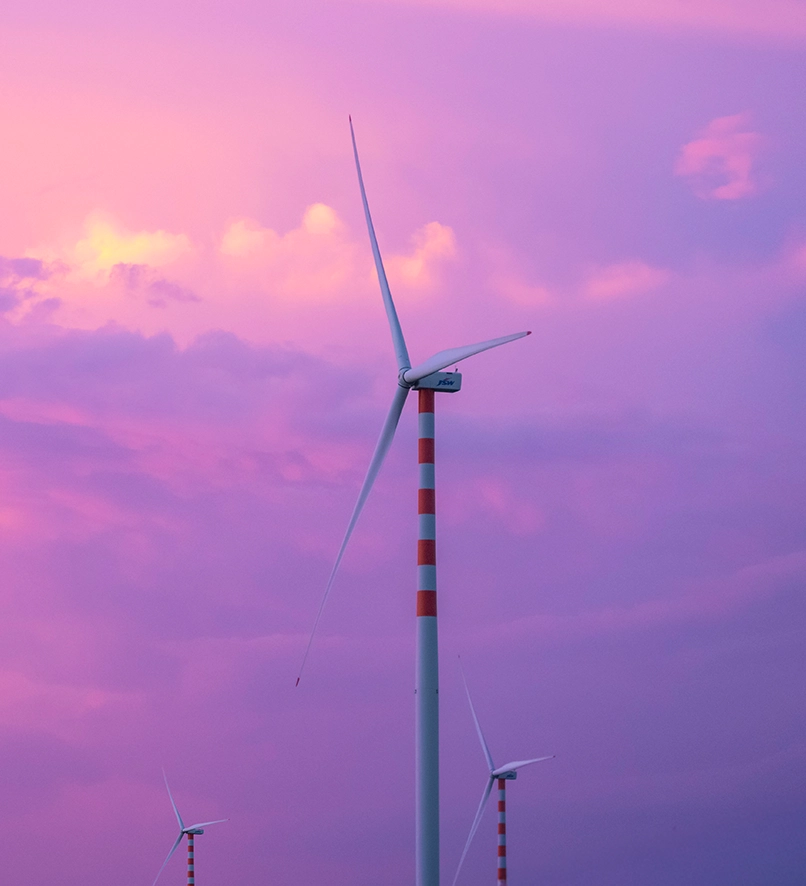
The year FY 2026 marked the highest-ever renewable energy capacity addition in India's energy transition journey, as the government is working towards reaching 500 GW non-fossil energy capacity by 2030.
India adds record power capacity, led by renewables
India witnessed a historic expansion in power generation capacity in FY 2026, with total additions reaching over 64.9 GW - the highest-ever in a single year, driven predominantly by renewable energy (50.9 GW). Notably, renewables accounted for more than three-fourths of new capacity additions, led by a record surge in solar installations, complemented by strong growth in wind and other non-fossil sources. This accelerated build-out reflects sustained policy support, improving project execution, and robust private sector participation, enabling India to cross the milestone of over 50% installed capacity from non-fossil sources ahead of its 2030 target. The continued scale-up underscores the structural shift in India's energy mix towards cleaner sources while strengthening long-term energy security and sustainability.
Moving towards a reliable, affordable, and clean energy future
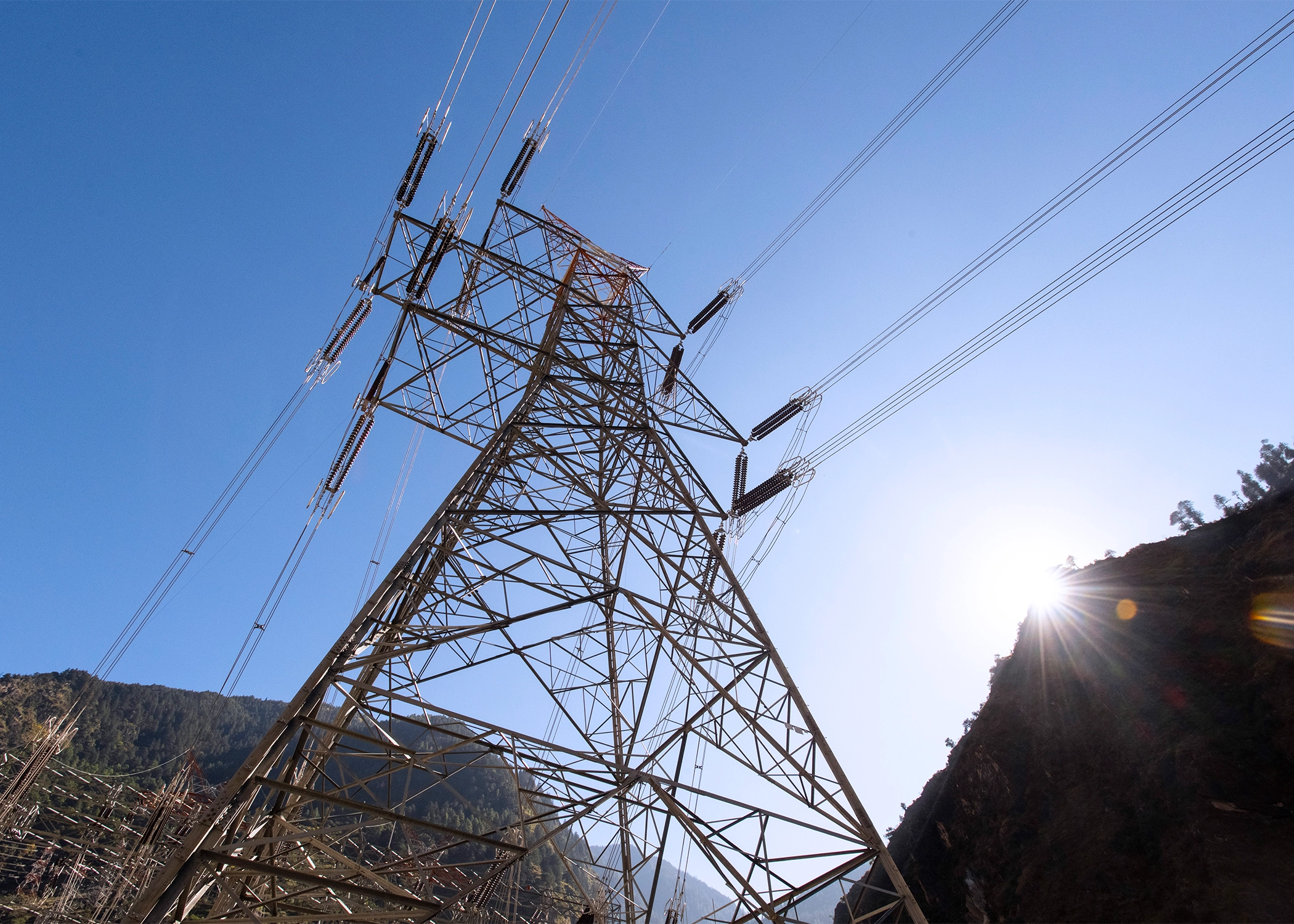
During the year, India focussed heavily on bolstering its baseload capacity to ensure grid stability and meet the surging power demand. While investing heavily in renewables, India realises that conventional and reliable power is essential, and this results in a dual strategy that combines traditional thermal expansion with accelerated investment in nuclear power and energy storage. To support baseload demand, 9.64 GW of new coal-based capacity was commissioned during the year. Despite the shift in installed capacity, electricity generation remains dominated by thermal sources. At the Bharat Electricity Summit 2026, the Union Minister for Power Manohar Lal emphasised on a balanced approach to India's energy mix, stating that while renewable energy will drive long-term sustainability, supported by storage, grid modernisation, and policy reforms, thermal power remains critical to ensure grid stability and providing baseload capacity, creating a roadmap for a resilient, future-ready power sector.
An improving regulatory environment
India is rapidly emerging as a global leader in renewable energy given the robust regulatory and policy framework offering a favourable business environment for renewable energy projects in India, with huge potential for solar, wind and hydro power. Union Budget 2026–27 placed strong emphasis on India's clean energy transition, with a clear focus on renewable energy, domestic manufacturing, energy storage, grid infrastructure, and long-term financing. There has been appreciation for the government's intent to provide policy stability, while strengthening India's position as a global clean energy hub. Based on the AtmaNirbhar policy, the government has initiated a renewable energy ecosystem with conducive policies for research-led innovation and heavy incentives offered for adding capacities.