


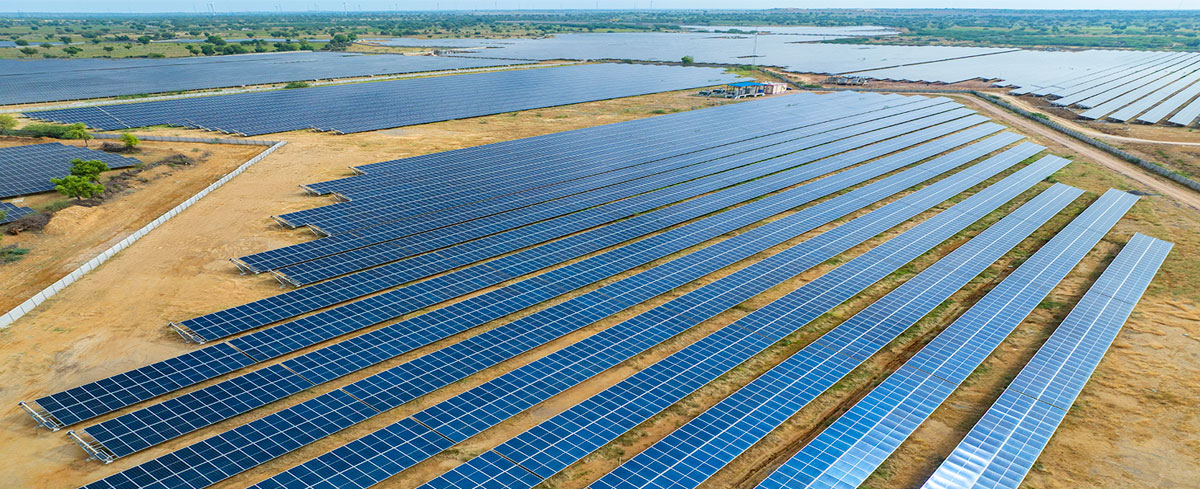
India’s energy transition has moved from ambition to measurable action, with solar and wind playing a central role in the rapid rise in the country’s renewable energy capacity. While India ranks 3rd globally in solar power and renewable energy installed capacity, Solar capacity alone has witnessed a 53x increase since 2014, growing from 2.82 GW to 150.26 GW by March 2026. Renewable energy now accounts for 51.6% of India's total installed power capacity of 532.7 GW, achieving the COP26 commitment five years ahead of the 2030 target.
However, the intermittent nature of solar and wind generation presents challenges for grid stability, particularly during periods of peak supply and varying demand. Between May and December 2025, India curtailed more than 2.3 terawatt-hours of solar generation because excess midday renewable power could not be absorbed efficiently into the system.
At JSW Energy, we believe that storage infrastructure is not merely a complement to renewables; it is the backbone that transforms intermittent generation into reliable, dispatchable power. Our commitment to achieving 40 GWh of energy storage capacity by 2030, alongside 30 GW of generation capacity, reflects a conviction that grid stability and decarbonisation must advance together.
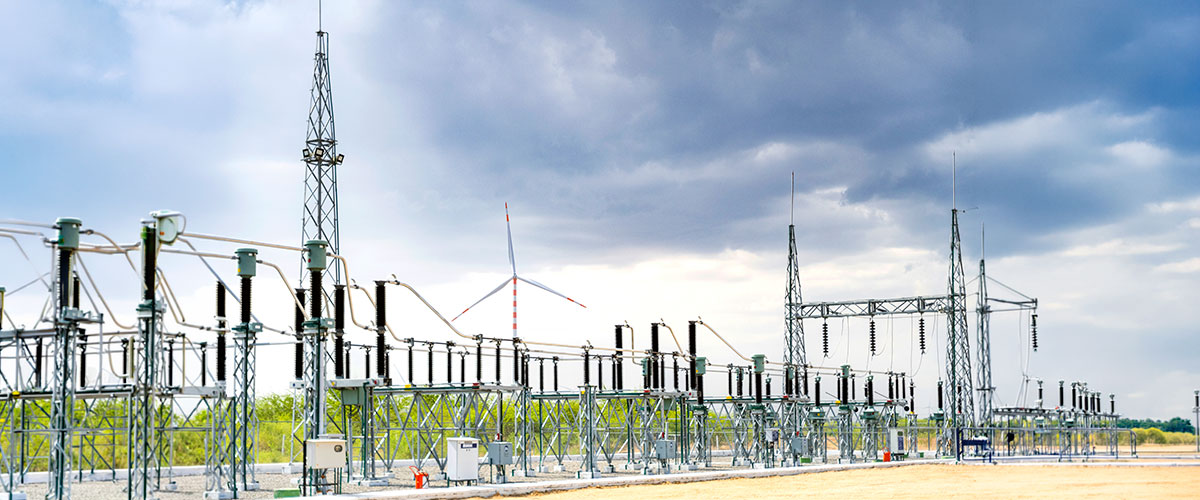
Solar and wind now form a substantial part of the energy mix, aligning with targets for 500 GW of non-fossil fuel capacity by 2030. Solar power alone accounts for 9.4% of India's electricity generation, nearly doubling from 4.9% in FY22. This growth, while positive, introduces variability.
As India's renewable capacity expands, the challenge is shifting from energy generation to energy management. The intermittent nature of solar and wind resources creates temporal mismatches between generation and consumption, particularly during evening peak hours when renewable output declines sharply. Addressing this imbalance is becoming increasingly important to ensure grid reliability, maximize renewable utilization, and support the country's long-term decarbonization goals.
This variability places significant stress on transmission networks. Without adequate storage, grid operators must either curtail excess renewable generation during periods of oversupply or rely on thermal backup during shortfalls. Neither approach aligns with India's Panchamrit commitments, which include reaching 500 GW of non-fossil electricity capacity and reducing emissions intensity by 45% by 2030.
Research from the India Smart Grid Forum's Energy Storage System Roadmap for India: 2019-2032 underscores that high levels of VRE penetration on medium and low voltage grids create power quality issues that storage technologies are uniquely positioned to address. The integration of distributed solar on residential and commercial rooftops, in particular, requires active demand response and storage solutions to maintain grid frequency and voltage within acceptable limits.
Recent analysis by Ember demonstrates that solar paired with battery storage could supply up to 90% of India's electricity demand at a levelised cost of electricity (LCOE) of ₹5.06/kWh, with only 5% of annual solar generation curtailed. Achieving this would require approximately 930 GW of solar capacity and 2,560 GWh of battery storage; equivalent to 4.9 GW of solar and 13.5 GWh of battery capacity for every 1 GW of average demand.
The primary constraint is not shifting solar output from day to night, which batteries accomplish efficiently, but maintaining supply during extended periods of weak insolation, particularly during the monsoon months. This insight highlights the need for a diversified storage portfolio that includes both short-duration batteries and longer-duration solutions such as pumped hydro storage.
Energy Storage Systems (ESS) store available energy from renewable sources and release it during peak hours, bringing down variability in RE generation, improving grid stability, enabling energy/peak shifting, and providing ancillary support services. The challenge is shifting from "not enough energy" to "not enough dispatchable energy at the right hour"; a transition a recent Citigroup report described clearly.
India's installed battery storage capacity remains a fraction of what its renewable-heavy grid actually needs. As of March 2026, the country's cumulative installed energy storage capacity including BESS and PSP stood at around 11.6 GWh, even as a growing pipeline aims to close the gap and by the government's own estimates, this needs to scale to 888 GWh by 2035-36. Until grid scaled batteries catch up with generation capacity, billions of units of clean energy will continue to be lost to forced curtailment.
The Central Electricity Authority has projected India will need 47.2 GW of battery storage capacity by 2032 to support reliable renewable energy integration at scale. The CEA projects that by 2029-2030, India will need 60.63 GW of energy storage capacity to meet peak demand and stabilize the grid.
According to the National Energy Plan (NEP) 2023, India's storage demand is projected to reach 73.93 GW and 411.4 GWh by 2031-2032, with 175.18 GWh from pumped storage hydropower and 236.22 GWh from electrochemical storage.
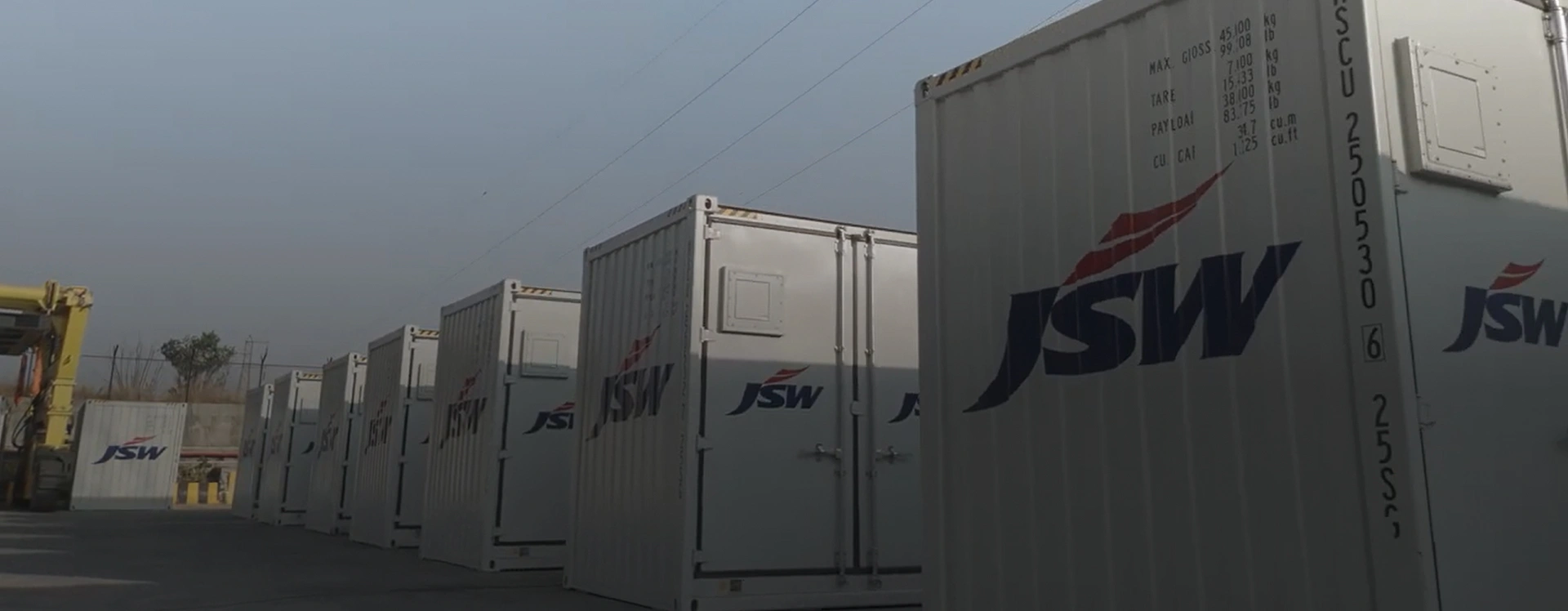
JSW Energy’s approach to energy storage reflects a deliberate balance between technological diversity and scale. As of FY2026, JSW Energy has locked in 29.6 GWh of storage capacity through a combination of battery energy storage systems (BESS) and hydro pumped storage projects. Construction of our first utility-scale BESS project is underway, with commissioning expected to mark a significant milestone in our transition from a pure-play generator to a full-spectrum energy solutions provider.
According to Sharad Mahendra, Joint Managing Director and CEO, JSW Energy, “Our Battery Energy Storage System project represents a crucial advancement in enhancing grid stability and integrating renewable energy sources, further solidifying our leadership in innovative energy solutions.”
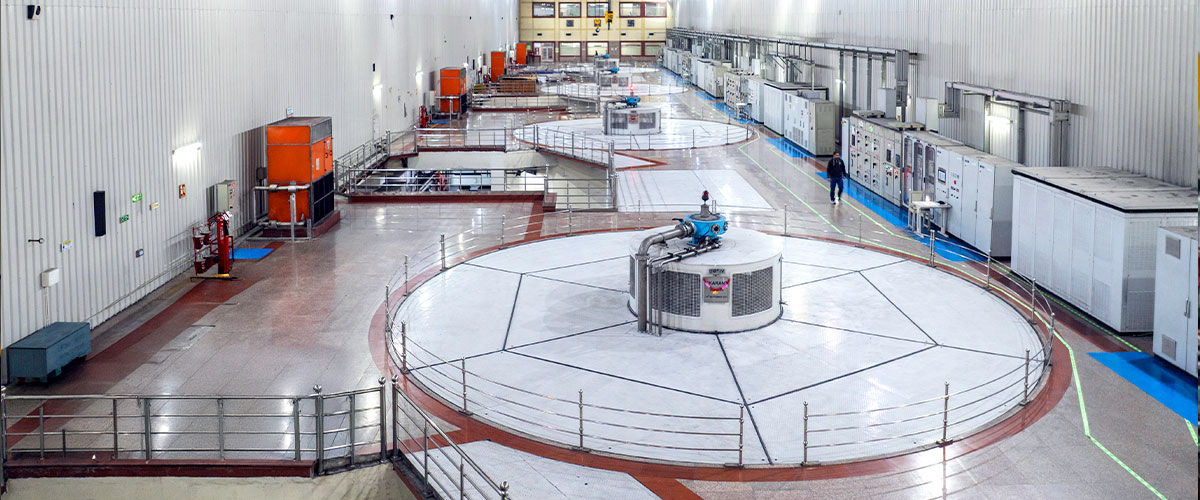
Under this segment, JSW Energy is prioritizing two mega-scale, 1,500 MW flagship installations that combine for 24.0 GWh of locked-in long-duration storage. First is the Bhavali PSP in Maharashtra, an off-stream closed-loop asset featuring an 8-hour daily discharge capacity backed by a long-term, 40-year power procurement agreement with MSEDCL. The second is the Sonbhadra PSP in Uttar Pradesh, a twin 1,500 MW facility also secured under a 40-year agreement with UPPCL to provide 8 hours of scheduled daily discharge. Together, these 24 GWh engineering blueprints anchor JSW's portfolio stability, securing long-term capacity utilization while directly mitigating renewable energy volatility across both the northern and western grids.
Under Strategy 3.0, JSW Energy is scaling energy storage to 40 GWh by 2030, combining pumped hydro and battery systems to deliver reliable, dispatchable renewable power. This aligns with our long-term vision of achieving 30 GW of locked-in generation capacity and 40 GWh of energy storage capacity by FY2030.
We have already reached 13.9 GW of installed generation capacity and remain on track to achieve our 2030 targets. Our total locked-in capacity stands at 32.1 GW, including 13.3 GW operational, 14.2 GW under construction, and a pipeline of 4.6 GW.
Energy storage is the missing layer in India's clean energy story. India is the world's third-largest solar market, but its next great energy challenge isn't about generating power; it's about timing.
From our perspective, storage deployment must keep pace with renewable capacity additions. Without adequate storage, India risks continued curtailment of clean energy, evening shortfalls that force reliance on coal, and the inability to achieve true round-the-clock renewable power. The curtailment of 2.3 TWh was not driven by excess solar capacity, but by insufficient system flexibility.
At JSW Energy, we believe India's power sector transition requires storage as a foundational infrastructure investment, not an add-on. Our 29.6 GWh locked-in pipeline and 40 GWh by 2030 target demonstrate our commitment to delivering reliable, round-the-clock power alongside our renewable expansion.
The challenges of intermittency and volatility in wind and solar generation are currently addressed through energy storage solutions, which are crucial for achieving India's ambitious targets, including net zero by 2070.
Energy storage is not a peripheral technology in India's energy transition; it is the critical infrastructure that enables every megawatt of solar and wind capacity to deliver its full value to the grid. As we scale towards 40 GWh of storage capacity by 2030, we remain focused on supporting India's ambitious journey towards a net-zero carbon future through backward integration, transformative technologies, and new offerings across the power sector ecosystem.
The question facing India is not whether storage is necessary, but how swiftly we can deploy it at the scale required. At JSW Energy, we are committed to helping answer that question through disciplined execution, strategic partnerships, and an unwavering focus on grid stability and sustainability.


