


Digital twins and artificial intelligence (AI) have become pivotal technologies in the energy sector. Together, they are helping power plant optimisation shift from periodic review to continuous performance management. A digital twin is a virtual replica of a physical asset, system, or process that uses real-time data, simulation, and analytics to mirror, predict, and optimise performance. Combined with AI and machine learning, these tools deliver deep insights and precise control in power plants.
At JSW Energy, we regard digital twins and AI as critical drivers of operational excellence. They enhance our growing renewable portfolio and improve reliability and efficiency across thermal and renewable assets, advancing India’s objectives for energy security and industrial decarbonisation.
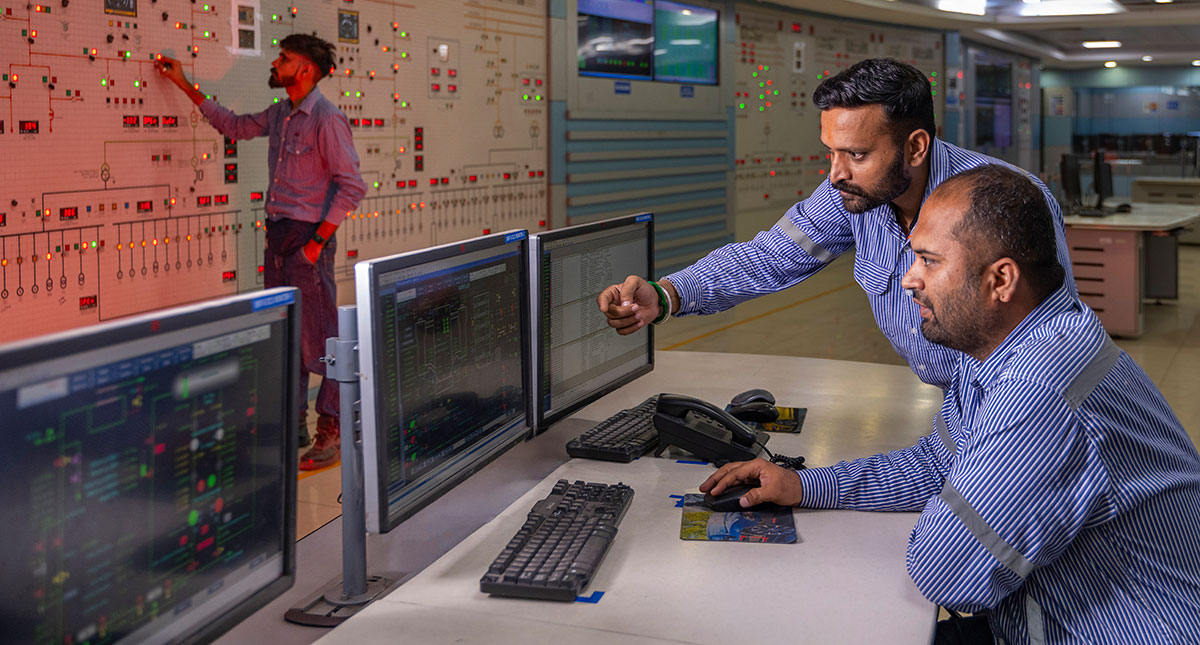
Modern power plants contend with variable renewable integration, infrastructure demands, and the imperative for higher efficiency amid rising electricity needs. Digital twins provide real-time simulation and predictive capabilities, while AI analyses extensive datasets from sensors, IoT devices, and historical operations to detect patterns, anticipate issues, and optimise actions.
AI-enabled digital twins allow utilities to monitor and optimise critical assets in real time, helping identify operational issues before they lead to failures. By enabling predictive maintenance and data-driven decision-making, these systems can reduce unplanned outages, improve plant efficiency, lower maintenance costs and extend equipment life. Across electricity networks, digital twins are also being deployed to strengthen grid reliability, improve asset utilisation and facilitate the integration of growing renewable energy capacity.
The commercial case is growing quickly. The digital twin in the energy market was valued at $8.6 billion in 2025 and is projected to reach $38.4 billion by 2034, growing at a CAGR of 18.1%. That trajectory reflects how quickly utilities and industrial operators are moving from experimentation to deployment.
We believe these technologies bolster grid resilience and accelerate the renewable energy transition by refining forecasting, asset management, and the integration of solar, wind, and storage solutions.
The value of a digital twin lies in sharper decision-making; it helps plant teams compare expected and actual performance, identify inefficiencies early, and act with greater confidence. In combined-cycle applications, digital twin platforms reportedly delivered 0.5% to 1.5% heat-rate improvement across 200+ installed units globally, showing how modest gains can translate into meaningful fuel savings, lower emissions, and stronger operating margins.
Utility-scale power plants increasingly run in a more dynamic environment, where solar and wind variability, storage integration, and dispatch requirements demand higher operational intelligence. Digital twins provide a structured way to manage this complexity without compromising reliability. For integrated clean energy companies, they become a bridge between generation, storage, and market-facing operations.
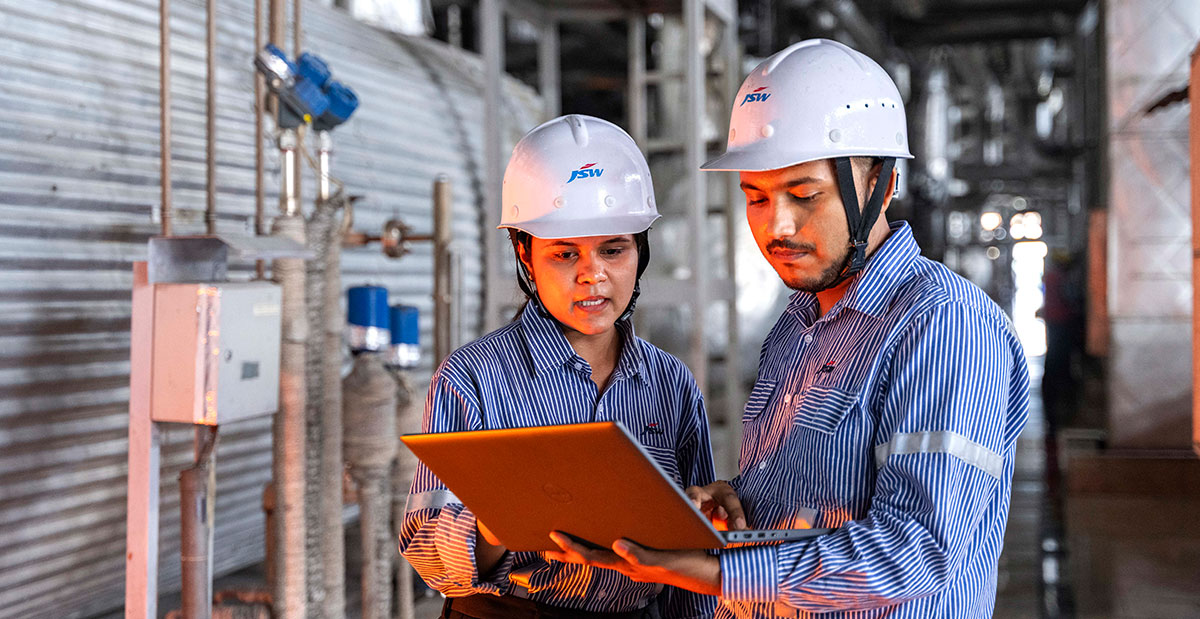
AI in power plants, when paired with digital twins, adds speed and predictive capability. It can analyse sensor readings, maintenance histories, and operating trends to detect anomalies, forecast failures, and recommend interventions before disruption occurs. A 2025 review of AI for predictive maintenance in energy systems found that machine learning, deep learning, and edge computing can anticipate failures, reduce unplanned downtime, and improve resource allocation.
The operational value is especially strong in large plants. At a 500 MW to 1,000 MW facility, avoiding a major turbine trip can save roughly $1.2 million to $1.8 million in lost generation and emergency labour. That is why predictive maintenance is increasingly becoming a strategic efficiency tool rather than a support function.
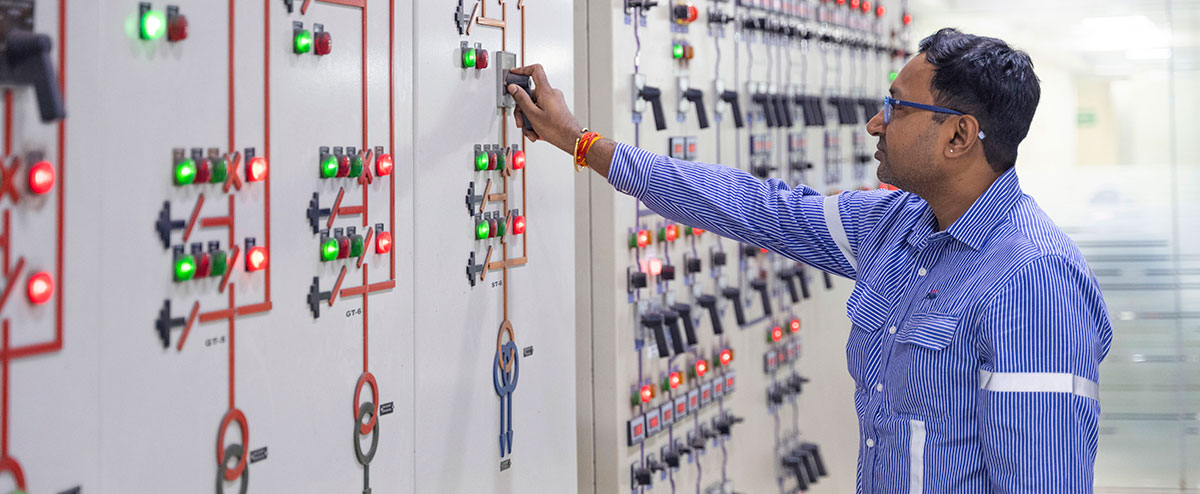
Virtual models of turbines, boilers, and equipment enable early anomaly detection. AI-driven condition-based monitoring reduces maintenance costs and extends asset life. Deployments have shown high fault detection accuracy and meaningful reductions in unplanned outages.
Real-time simulations facilitate scenario testing without production interruptions. Digital twins of combined-cycle plants can improve thermal efficiency, while AI optimises parameters to minimise waste. Broader implementations yield energy savings of up to 30% in relevant energy management contexts.
AI improves wind and solar forecasting accuracy, essential for grid stability. JSW Energy has deployed an AI-driven wind forecasting solution that enhances day-ahead and intraday scheduling while minimising deviation penalties.
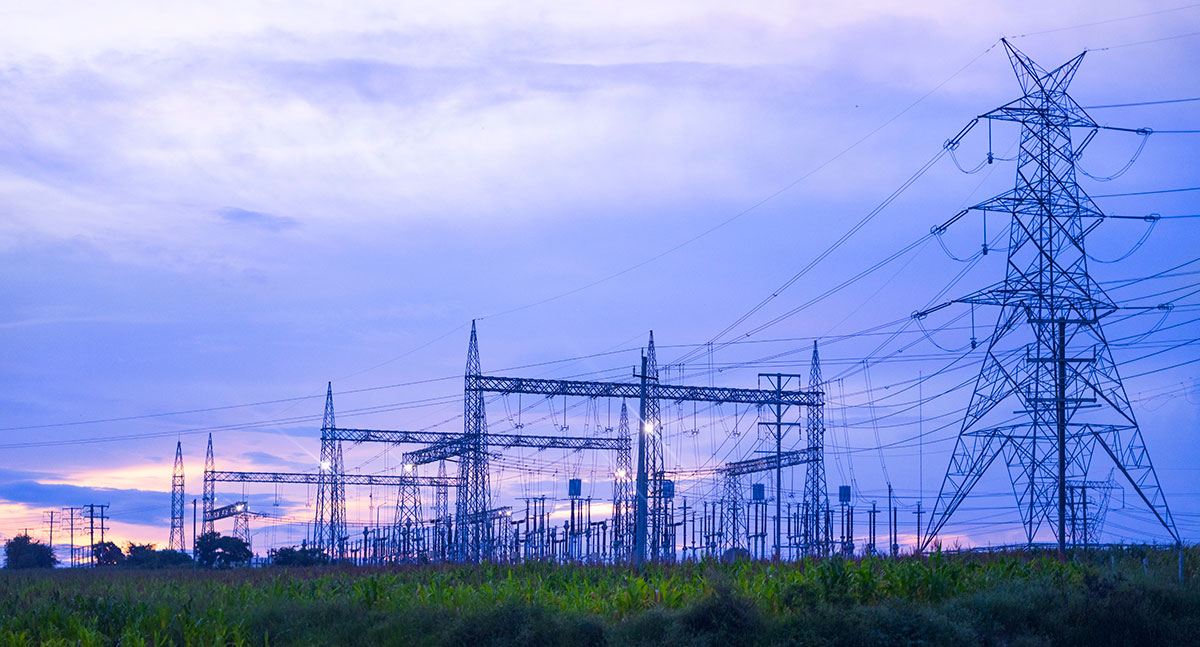
Digital twins support planning for distributed energy resources, storage, and demand response, addressing intermittency effectively.
These applications establish digital twins and AI as strategic assets for conventional and renewable power plants.
The strongest efficiency gains emerge when digital twins and AI operate together. The digital twin creates a live operating model, while AI continuously learns from the data stream and improves the quality of recommendations. In combination, they help operators reduce energy loss, extend equipment life, and improve the economics of each unit generated.
This has national relevance as well. India’s renewable energy transition is scaling quickly, and that makes intelligent plant operations more important, not less. JSW Energy is reinforcing India’s energy security with clean, reliable and efficient power, while scaling from 14.5 GW installed capacity today to 30 GW generation capacity and ~40 GWh of storage by 2030.
India’s clean energy progress gives this shift additional context. The country’s non-fossil fuel capacity stood at 283.46 GW as of 31 March 2026, including 274.68 GW of renewable energy. Solar reached 150.26 GW, wind 56.09 GW, bioenergy 11.75 GW, small hydro 5.17 GW, and large hydro 51.41 GW, underscoring the scale of the system that now needs smarter optimisation.
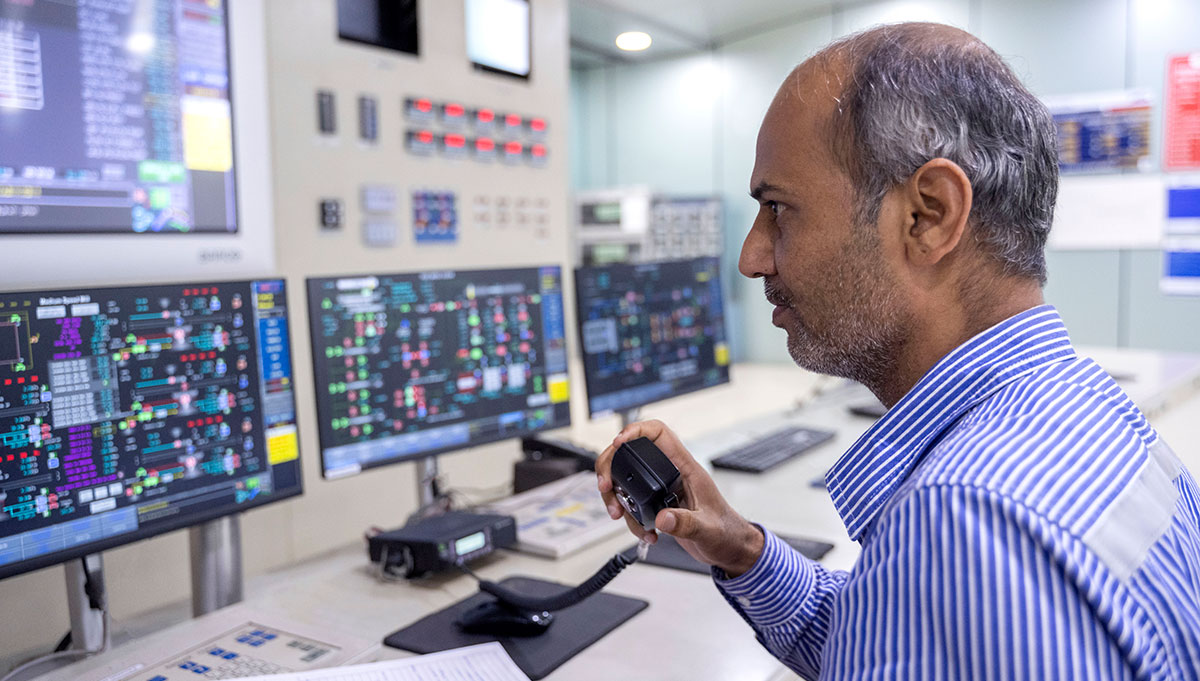
JSW Energy has integrated digital technologies to optimise operations across its portfolio. We deployed the JSW Energy PI System and Integrated Digital Command Centre (IDCC) at Hyderabad, which delivers real-time data acquisition and analysis for thermal and renewable assets. This enterprise-level platform unifies visibility and advanced analytics, functioning as a comprehensive digital operations layer.
Our initiatives encompass AI-driven platforms for asset monitoring, IIoT-based condition monitoring, computer vision for safety, covering 45 CCTV cameras and 18 critical use cases, and advanced analytics. These tools support predictive intelligence and efficiency across wind, solar, hydro, and thermal plants. The IDCC has been implemented across 46 renewable sites, enabling centralised oversight of 2.13 GW of capacity.
With locked-in generation capacity supporting our target of 30 GW and 40 GWh of storage by FY2030, alongside carbon neutrality by 2050, these digital tools help maximise existing asset performance while scaling renewables responsibly.
India’s power sector is expanding rapidly, with renewables comprising a growing share of the energy mix. Digital twins and AI facilitate this transition through improved renewable integration, reduced emissions from thermal operations, and enhanced system-wide efficiency. They contribute to energy security by minimising downtime and optimising resources.
We align our digital efforts with national priorities, using technology to deliver reliable, lower-carbon power that supports industrial growth and sustainable development.
Digital twins and AI offer a transformative pathway to a more efficient, resilient, and sustainable energy ecosystem. JSW Energy is committed to expanding these capabilities within our integrated clean energy strategy. By investing in digital innovation alongside renewable growth and storage, we aim to contribute meaningfully to India’s energy transition.
Through practical and scalable solutions, we support a future in which power generation is smarter, cleaner, and better aligned with national requirements.


